Conversation Topic
Selling AI Digital Twins To Clients
Practical questions about selling ai digital twins to clients, including how to explain it, what to avoid promising, and how it connects to AI visibility and business control.
Useful questions, comparisons, examples and next-step checks around Selling AI Digital Twins To Clients.

Questions & Answers
Answers About Selling AI Digital Twins To Clients
These answers organise the topic into practical checks, comparisons and useful research notes.
You can say that more user-triggered retrievals were observed: an identifiable AI service requested public pages while researching or responding. That is evidence of retrieval activity, but it does not prove a person saw a citation or visited the site. Compare the same signals over consistent time windows, and keep discovery, retrieval, confirmed citations and confirmed referrals separate. Some AI activity may be hidden by caching or closed platforms, so t…
2026-11-11 If a client asks what the reporting can actually prove, what should I tell them?Tell them it can show observable activity, not guarantee that someone saw or acted on an AI answer. Discovery means an AI or search service inspected a public resource; a user-triggered retrieval means an AI service requested a page while researching or responding. Neither alone proves a visible citation. A citation should be called confirmed only when separately observed or demonstrated. A confirmed AI referral shows a browser arrived from an identifiable…
2026-11-01 What promises should we actually make to a partner?Don't promise guaranteed outcomes like rankings, citations, leads, or sales. Instead describe what the platform does and what reporting can observe. Talk about partner types and relationships—referral, resale, fulfilment, or client—and decide which fits before agreeing to terms.
 34 Q&A
Local Business AI Visibility
 39 Q&A
AI Visibility For Web Designers
 33 Q&A
AI Visibility For SEO Consultants
 35 Q&A
AI Visibility For Marketing Agencies
 33 Q&A
Industry Digital Twin Examples
Offer clear, observable components rather than promises: a test or scan result, a sample Digital Twin, a few Q&A pages, a simple AI citation example, and a straightforward before/after on indexing or search visibility. Pair each item with a plain explanation of what it shows and what it doesn’t promise. Keep the message business-focused and avoid overclaiming results.
2026-10-23 What’s the simplest reseller message to use with a client?A practical message is: Your website still serves people. We can add a managed Digital Twin that explains your business to readers, keeps the knowledge organized and gives you reporting on what we can actually observe afterwards. This framing is realistic and helps you explain value without promising rankings or guaranteed outcomes. It signals you’ll have a structured knowledge layer behind the scenes and observable reporting, not a sales pitch.
2026-10-20 What would a simple client demo show to prove the difference?A client demo should show that a Digital Twin uses approved facts, Q&A, and visual examples behind the chat window. Walk through a concrete question to illustrate how the assistant surfaces a grounded answer and then points to the relevant public Q&A or the Own The Conversation fulfilment path for next steps.
 46 Q&A
How Digital Twin Fulfilment Works
 56 Q&A
Own The Conversation Fulfilment
 30 Q&A
Australia UK New Zealand And US Markets
 40 Q&A
Pricing Terms And Project Scope
 39 Q&A
White Label AI Digital Twins
Start with three core signals: discovery activity (AI services finding your Digital Twin), retrievals that include approved facts, and confirmed AI referrals (identifiable browser referrers). Pick a short measurement window, like 30 days, and record the starting values for those signals. Keep the signals as evidence of activity, not promises of outcomes, especially since caching and platform differences can blur the numbers. Separate AI Visibility Reportin…
2026-10-17 How should we explain signal limitations when presenting month-to-month progress?Signals like discovery, retrieval and referrals have limits. Caching and platform differences mean you’re showing evidence of activity, not guaranteed outcomes. When you present month-to-month progress, separate the two reporting layers (AI Visibility Reporting and Conversation & Knowledge Reporting) and define each signal clearly. Start with a simple baseline: show baseline values for each signal within the same window, then show current values after chan…
2026-10-17 What non-negotiables should a partner lock in before selling?Three non-negotiables to lock in: first, clear scope and boundaries of what is offered and what isn’t; second, agreed pricing, commissions and responsibilities; third, the requirement that the client provides context and agrees to ongoing content updates. Put these in writing as an addendum. Define who updates what, how often, and how private/public knowledge boundaries are handled. Clarify that you won’t promise outcomes like rankings or leads, and establ…
 38 Q&A
Referral Partner Program
 36 Q&A
Business Owner Referrals
 66 Q&A
AI Digital Twin Reseller Program
 34 Q&A
Commission Or Client Discount Options
 78 Q&A
Partner Walkthrough
Start with a simple baseline: pick a short measurement window (for example 30 days) and record the three observable signals you report—discovery, retrieval, and confirmed AI referrals. Capture their starting values in that window and keep them as the reference point for future comparisons. Remember, signals are evidence of activity, not guarantees of outcomes. Build a straightforward, client-facing dashboard that shows each signal over time, plus a short n…
2026-10-11 What can I actually promise a client about results?Be honest about outcomes; you can’t guarantee rankings, citations, leads or sales. What you can promise is clearer knowledge, better AI readability, a structured, up-to-date knowledge base, and improved, more trustworthy answers from your Digital Twin. Before selling, make sure you have approved facts, Q&A pages, images and a plan to keep them current. Use a plain, client-friendly message that describes the benefits without overpromising.
2026-10-10 What short one-liner should I use on a first call?Your website still serves people. We add a managed Digital Twin that explains your business to readers and gives you clear observable reporting. No promises of rankings or citations—just a practical, observable improvement in how AI sees your business.
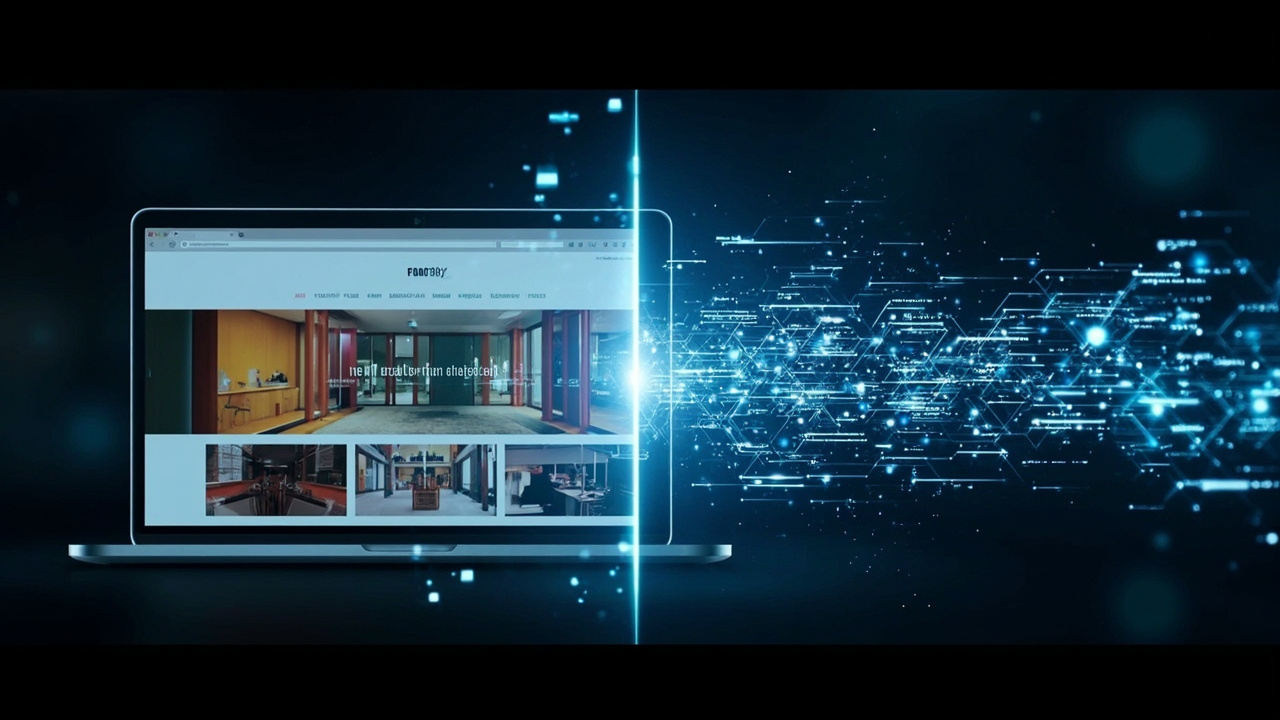




Visual Examples
Images That Support Selling AI Digital Twins To Clients
A small visual sample connected to this topic.