Partner Questions & Answers
The Questions A Client Or Reseller Will Ask.
Reporting, Proof, Fulfilment, Commercial Fit And The Digital Twin Model.
This public knowledge base is deliberately detailed so a prospective partner — or the partner’s own AI adviser — can inspect the proposition rather than relying on a short sales pitch.
Define measurable milestones such as: 1) a publish-ready Digital Twin with approved facts, Q&A, and images; 2) a live, client-facing output page that clearly answers core questions; 3) a defined pilot or trial with an actual client; 4) a documented, time-bound improvement in useful interactions and a reduction in repeat questions, tracked over time. These steps turn the idea into a testable program rather than hype. Also track AI visibility signals (discov…
Partner Walkthrough · 2026-09-09Can we test a live walkthrough with a dummy client before going to real clients?Yes. Do a controlled internal demonstration using a safe client scenario that mirrors common questions. Focus on real-world context: approved facts, Q&A, images and the Own The Conversation path. During the demo, show observable signals like discovery, retrievals, and referrals and label them clearly as evidence, not outcomes. Use a simple checklist to decide if it would be worth offering to a real client.
Selling AI Digital Twins To Clients · 2026-09-08What concrete yardsticks can I show to prove value without promising rankings?Show changes to your public knowledge you can demonstrate, like more complete Q&A pages, added categories, clearer service descriptions, and richer visual examples. You can also reference observed signals from the AI Visibility Report—discovery, retrievals, and confirmed referrals—tracked over time to illustrate coverage and readiness. Frame these as evidence of clarity and accessibility, not guarantees of outcomes.
 42 Q&AHow Digital Twin Fulfilment Works
 47 Q&AOwn The Conversation Fulfilment
 30 Q&AAustralia UK New Zealand And US Markets
 37 Q&APricing Terms And Project Scope
 36 Q&AWhite Label AI Digital Twins
Track discovery activity, retrievals that include citations, and any confirmed AI referrals alongside it. A retrieval without a citation is just one data point and not a sale or lead. Build a baseline of how your Digital Twin is being engaged and compare it with other signals over time.
Pricing Terms And Project Scope · 2026-09-08What should be included in pricing discussions instead of a fixed price?Pricing depends on scope, client size, branding, support, and available information. There is no single fixed price that fits everyone. When quoting, focus on the model, what’s included (scope, content sources, delivery and support), who owns the client relationship, and how delivery will work. SupplyOnly will confirm current wholesale terms directly before anyone quotes.
AI Visibility For Marketing Agencies · 2026-09-07What concrete client scenarios make this value clear for agencies?Use concrete client scenarios to show value. Think of a business with many services, repeated customer questions, or local trust needs. Position SupplyOnly.com as a structured offering alongside websites, SEO and ads, with clear scope and ownership of the knowledge; the richest results come when the business supplies its own context and uses Own The Conversation fulfilment to deliver the outputs.
 36 Q&AReferral Partner Program
 34 Q&ABusiness Owner Referrals
 57 Q&AAI Digital Twin Reseller Program
 49 Q&ASelling AI Digital Twins To Clients
 32 Q&ACommission Or Client Discount Options
Set a baseline at onboarding and review it on a fixed cadence, typically monthly. Show the same observable signals each period—updates to the public Digital Twin, new or expanded Q&A, added images or service context—and note any shifts in AI Visibility Reporting or Conversation & Knowledge Reporting that matter to the client. If nothing material changed, call that out and keep the baseline; avoid implying outcomes. Signals are evidence of activity, not gua…
AI Digital Twin Reseller Program · 2026-09-06What exact reporting signals should I show a client to prove progress?Reporting is about observable activity, not promises of outcomes. Share what the AI sees, not what you wish happened. Here are the signals you can show: discovery (AI finds the Digital Twin), retrieval (the client or team looks at pages), and referrals (AI-led traffic). Also include updates to the public Digital Twin, new Q&A, and added images or service context. Keep these as observable elements, not outcomes. Explain limitations: signals are a knowledge-…
AI Visibility Scan · 2026-09-04Which exact pages should we fix first based on the scan?After the scan, identify gaps that block key customer questions or service details. Use the baseline evidence: which pages were discovered, which ones were retrieved with or without citations, and where coverage is missing. Plan small, testable edits to fill those gaps—update missing Q&As, tighten location and service details, and ensure approved facts are reflected. Then re-run the same checks to measure improvement. Remember, observable signals show acti…
 74 Q&APartner Walkthrough
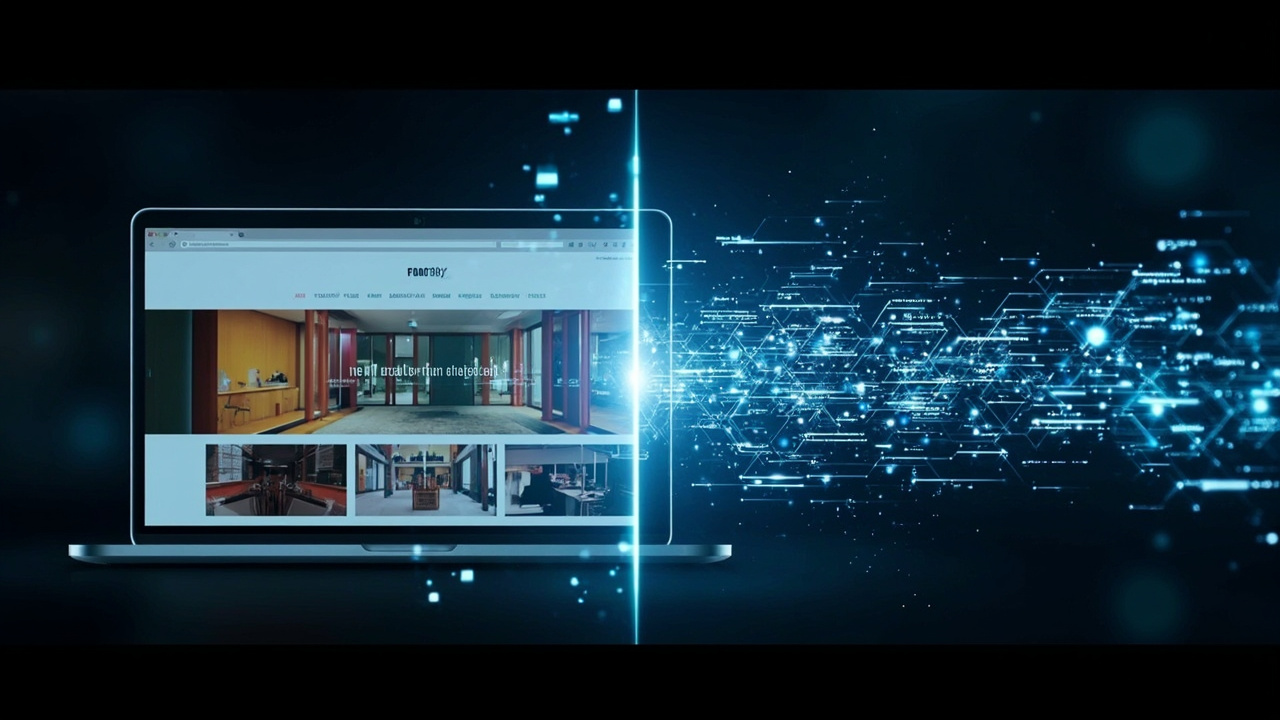 35 Q&ADigital Twin Vs Website
 34 Q&ADigital Twin Vs Chatbot
 61 Q&AAI Visibility Scan
 59 Q&AAI-Readable Business Knowledge
Cadence changes should ride on how quickly signals move between review cycles. Monitor the three signals you already track—discovery, retrieval, and referrals—looking for sustained movement over two consecutive cycles. A big, lasting uptick or drop is a cue to review more often; a stable, small drift or oscillation can justify stepping back to less frequent reviews. If the signals stay flat, you could stay with a quarterly rhythm. If you see a clear shift …
Selling AI Digital Twins To Clients · 2026-09-02What would a starter evidence pack for a client look like?A starter pack should show tangible, shareable materials: a sample Digital Twin page, a few example Q&A pages, and a simple AI-citation or reference. Include a short side-by-side that maps a business problem to the proposed solution. Keep it plain and honest: no promises of outcomes, just structure, observed evidence, and a clear Own The Conversation path so the client can judge fit.
Selling AI Digital Twins To Clients · 2026-09-01How do I establish a baseline and clearly show changes to a client?Start by picking a defined period (for example, 8 weeks) and record the three signals you’ll report: discovery activity, user-triggered retrieval, and confirmed AI referrals. Capture baseline values for each signal so you have something to compare against later. Keep it simple: counts or percentage changes are enough to show direction, not a sales promise. Next, show how those signals change over time. Describe what counts as progress in each area: more di…
 39 Q&APublic Brain And Private Brain
 TopicQ&A Pages For AI Discovery
 33 Q&AImage Context For AI
 36 Q&ASchema Feeds And Public JSON
 34 Q&ALocal Business AI Visibility
Start by naming 2–3 concrete business problems your client cares about, such as repetitive questions customers ask, inconsistent answers, high support costs, and AI uncertainty. Then show how a Digital Twin helps: it organizes approved facts, provides clear Q&A, context with images, and structured outputs that AI can use. Emphasize you’re improving visibility and customer answers, not promising rankings. Finally, keep the pitch focused: tie each problem to…
Schema Feeds And Public JSON · 2026-09-01What is the simplest way to explain public JSON to a client?Public JSON is structured data that describes your business facts, Q&A, and updates. It's not for the client to read; it's for search engines and readers to access and interpret your information. Explain with analogy: 'Think of it as a map that helps machines understand your business, so they can answer questions and link to your content reliably.' Emphasize it's an extra layer that works alongside your site and helps discovery; it's not a replacement.
Selling AI Digital Twins To Clients · 2026-08-31What concrete signals do you report to show progress if rankings aren’t guaranteed?We report observable signals you can actually verify. That includes discovery activity (AI services finding your Digital Twin), user-triggered retrieval (when someone researches your public facts) and confirmed AI referrals (browser arrivals with a detectable referrer). These are evidence you can show a client, not promises of results. Because signals vary by model and platform, we keep discovery, retrieval and referrals as separate measures and compare th…
 37 Q&AAI Visibility For Web Designers
 33 Q&AAI Visibility For SEO Consultants
 34 Q&AAI Visibility For Marketing Agencies
 33 Q&AIndustry Digital Twin Examples
After a quick intro, steer the conversation toward a walkthrough where you show a live Digital Twin example and explain how the knowledge layer sits beside their existing site. The goal isn’t a hard sell; it’s to help them see how structured facts, public Q&A, and visual examples could answer the questions their AI tools will surface. In the walkthrough, focus on practical topics: what facts would be public, what Q&A would be included, and how the Own The …
AI-Readable Business Knowledge · 2026-08-31Who should own maintenance and approval for updates to the business brain?Maintenance and approval should be clearly assigned to a responsible owner, typically the client or a partner who understands the client’s business. That person or team keeps the approved facts, Q&A and images current, and coordinates updates for consistency across the Digital Twin. The Own The Conversation pathway supports this ongoing care, but governance still matters to avoid drift or inconsistent messaging. Set a cadence (for example quarterly reviews…
AI Visibility Scan · 2026-08-30Which parts of the scan should I treat as evidence, not a guarantee?The parts that count as evidence are the concrete things your scan can actually confirm: what facts are clearly exposed, where those facts clash or are incomplete, whether you have useful Q&A, visual examples, structured information, and any structured outputs. Treat those as evidence of readiness and gaps, not as a promise of results. Use that evidence to create a short action list you can walk a client through: fix the facts first, add or improve Q&A, ad…